
New Construction: How to Add Kitchen Character to a New Build
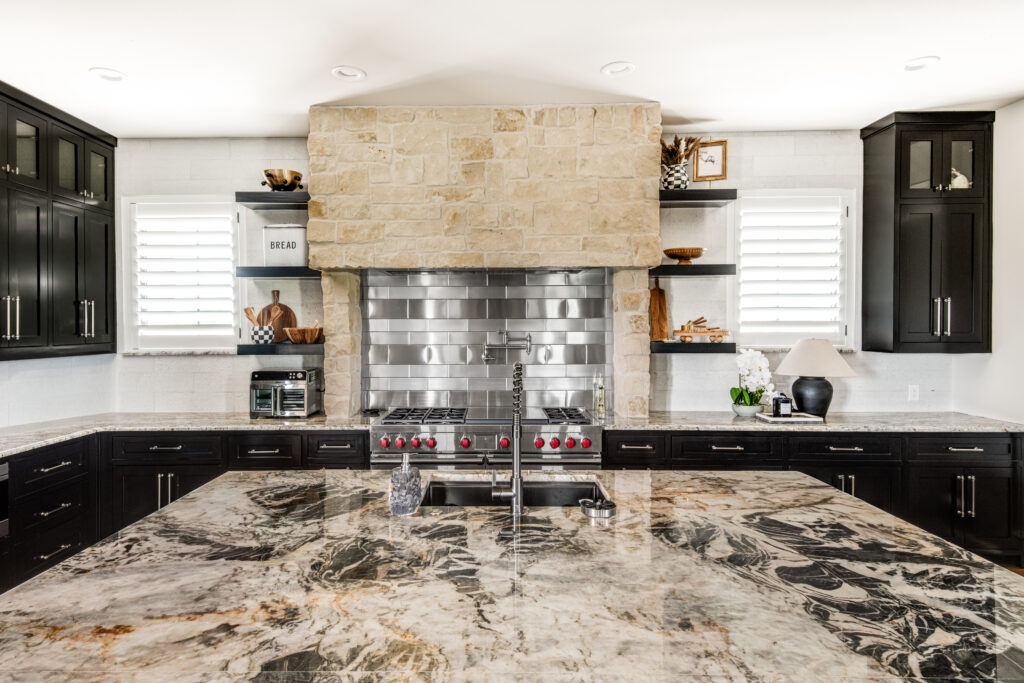
Kitchen Character: Rustic New Build Kitchen with Stone Range Hood and Dark Cabinets
There’s a reason some kitchens instantly feel warm and inviting while others lack kitchen character, feeling cold, even when they use expensive finishes.
Usually, it comes down to contrast and texture.
This rustic new build kitchen mixes heavier materials with softer finishes to create a space that feels balanced instead of builder basic. The result feels custom, layered, and timeless without looking overly trendy.
And honestly, that balance is what makes the entire kitchen work.
Instant Kitchen Character: The Stone Range Hood Creates the Focal Point
The first thing your eye notices is the oversized stone range hood.
It immediately adds character to the kitchen and gives the room a stronger architectural presence. In many new builds, kitchens can start to feel flat because every surface is smooth and uniform. However, the natural stone changes that instantly.
The variation in texture keeps the kitchen from feeling sterile while also adding warmth and depth.
At the same time, the scale of the hood helps anchor the entire room, especially with the taller ceilings and open layout.
Without it, the kitchen would feel much lighter visually and lose some of the warmth that makes the space feel grounded.
Instant Character: Why the Dark Cabinets Work So Well
Dark cabinetry gives the kitchen weight and contrast.
Instead of blending everything into one light neutral palette, the darker cabinets help define the space and make the lighter countertops and backsplash stand out even more.
That contrast is important in a rustic new build kitchen.
When every finish stays too similar, the room can start to feel washed out. Here, the darker cabinetry creates enough depth to keep the kitchen feeling layered and intentional.
Even better, the cabinets still feel timeless because the design keeps the lines clean and classic rather than overly modern.
Warm Wood Tones Soften the Entire Space
One of the smartest parts of this kitchen is how the wood tones soften the heavier materials.
Between the stone hood, darker cabinetry, and marble surfaces, the kitchen could have easily started feeling too cold or too dramatic. Instead, the warm wood accents bring balance back into the room.
You see it in the styling, furniture, and natural finishes layered throughout the space.
Those warmer tones help the kitchen feel relaxed and lived-in instead of overly polished.
And honestly, that is usually the missing piece in many newer homes.
Instant Character: Marble Keeps the Rustic Elements Feeling Updated
The marble countertops play an important role here too.
Without them, the kitchen could lean too rustic or visually heavy. However, the lighter stone surfaces brighten the room and add a cleaner, more refined layer to the design.
That contrast between rougher natural stone and smoother marble creates the balance that keeps this kitchen feeling elevated.
It feels warm, but still fresh.
Rustic, but still updated.
Why This Kitchen Feels Custom Instead of Builder Grade
The biggest difference is the layering.
Nothing feels overly matched or overly perfect.
Instead, the kitchen combines:
- natural stone
- dark cabinetry
- warm wood tones
- marble surfaces
- softer neutral finishes
Because each material brings a different texture and weight, the kitchen naturally feels more collected and custom.
That layering is what gives newer homes more personality and depth.
Rustic Kitchen Ideas for a New Build Home
If your kitchen feels unfinished or flat, the answer usually is not adding more decor.
Instead, focus on adding stronger foundational elements first.
A few simple changes can completely shift the feel of a kitchen:
- add one darker grounding element
- mix warm wood with cooler stone finishes
- layer natural textures instead of adding more color
- create one focal point that anchors the room
Those changes instantly help a newer kitchen feel warmer and more intentional.
Rustic New Build Kitchens That Still Feel Timeless
One reason this kitchen works so well is because it avoids extremes.
It does not lean overly farmhouse.
It does not feel stark and modern either.
Instead, it blends rustic materials with cleaner lines and softer finishes so the space feels timeless rather than trendy.
And honestly, that is exactly why this style continues to work so well in custom homes and new builds right now.
If your home feels fine but not finished, that’s usually where I come in.
You don’t need to start over—you just need the right pieces working together.
Guest rooms are one of the best places in a home to add a little more personality and have MORE FUN. These guest spaces don’t…
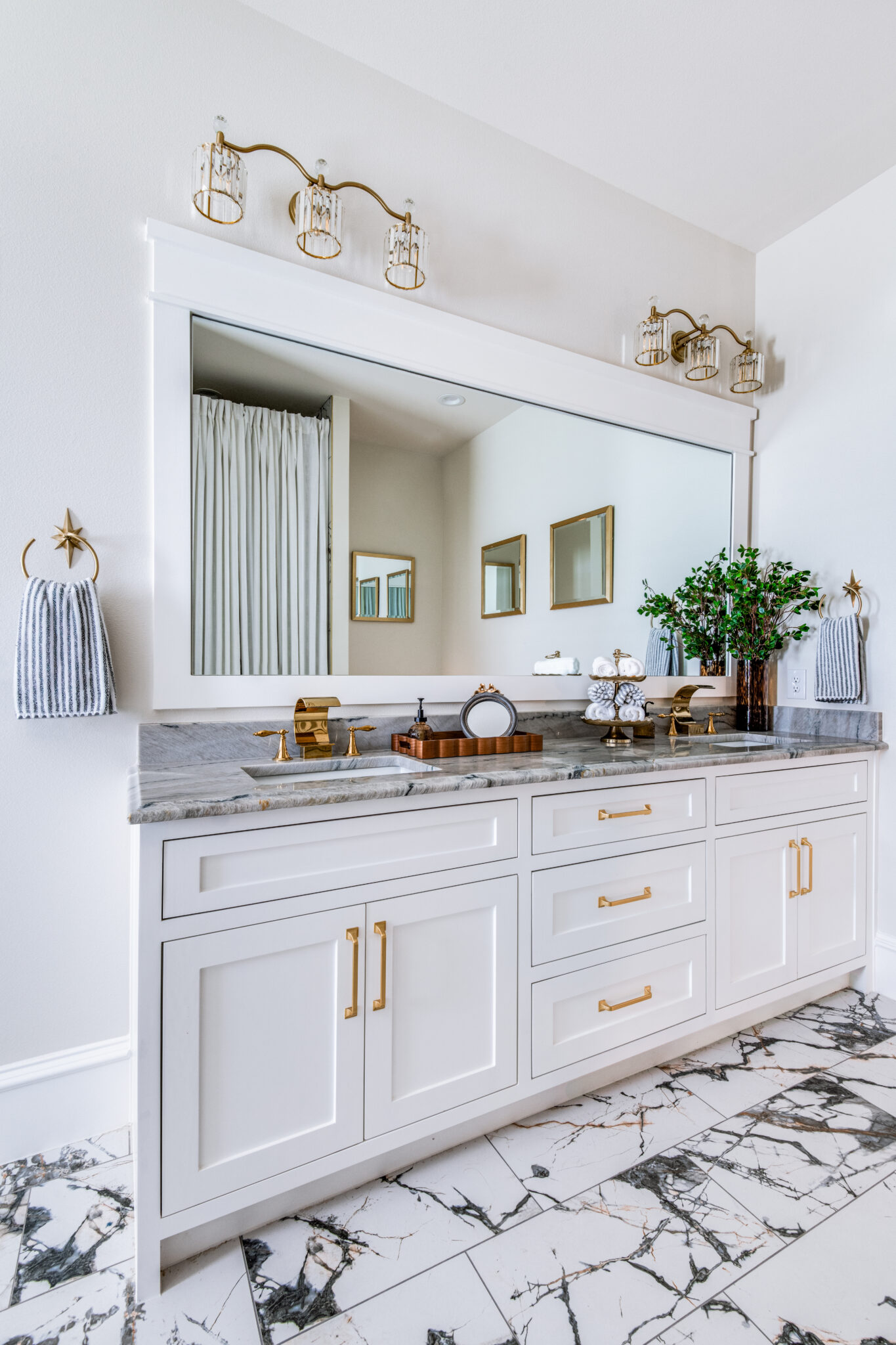
Master Bath: Modern Rustic Bathroom with Marble and Brass A lot of new build bathrooms feel cold. Usually, it’s because every finish feels too polished…
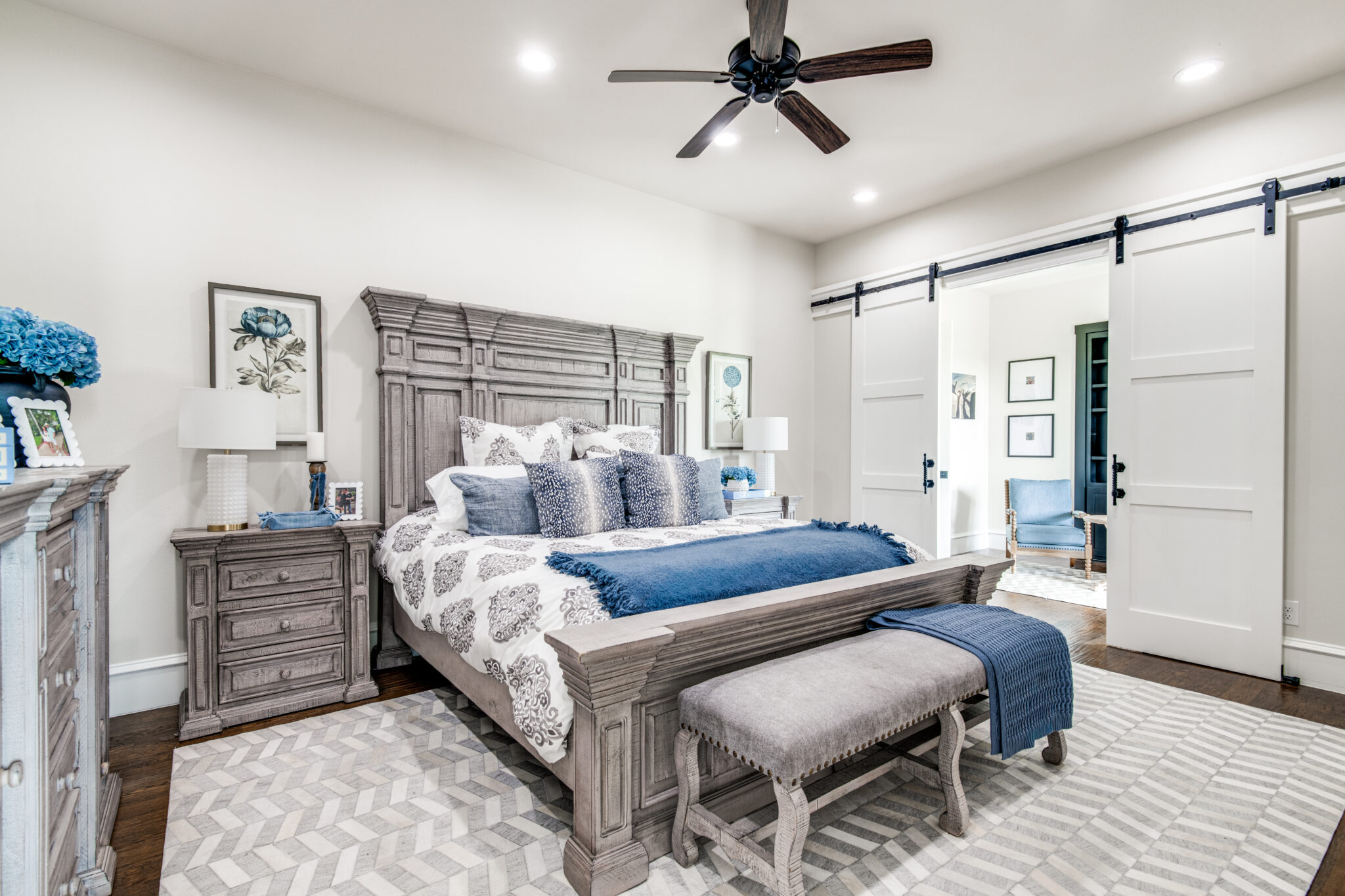
Master Bedroom: Neutral Rustic Bedroom with Warm Wood Tones and Blue Accents A simple breakdown of modern traditional design, layered neutrals, and how to create…
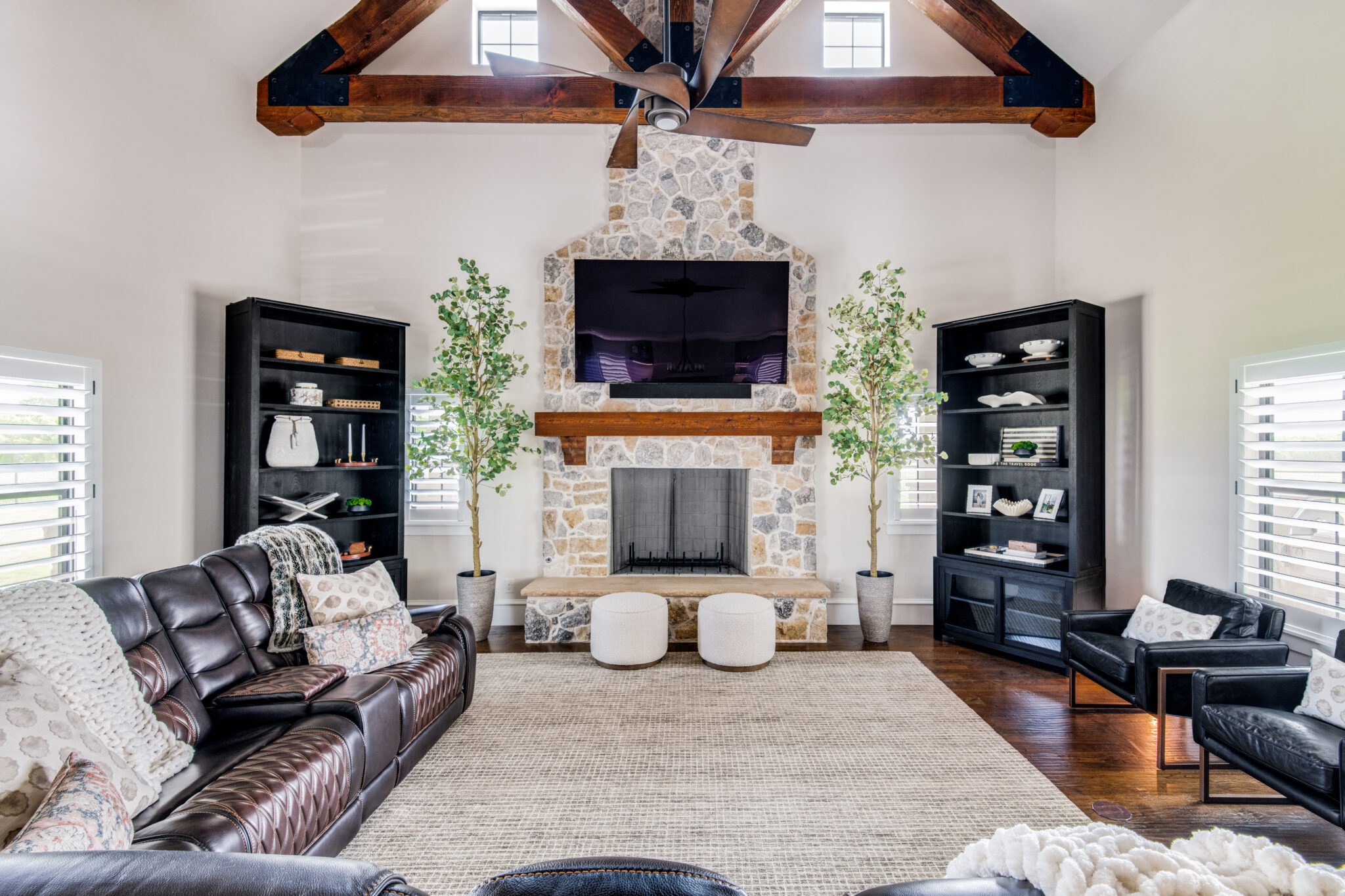
Rustic New Build Design Ideas That Feel Warm, Layered, and Lived-In (Room-by-Room Guide) Stone Fireplace Rustic Living Room with Wood Beams (New Build Character) A…
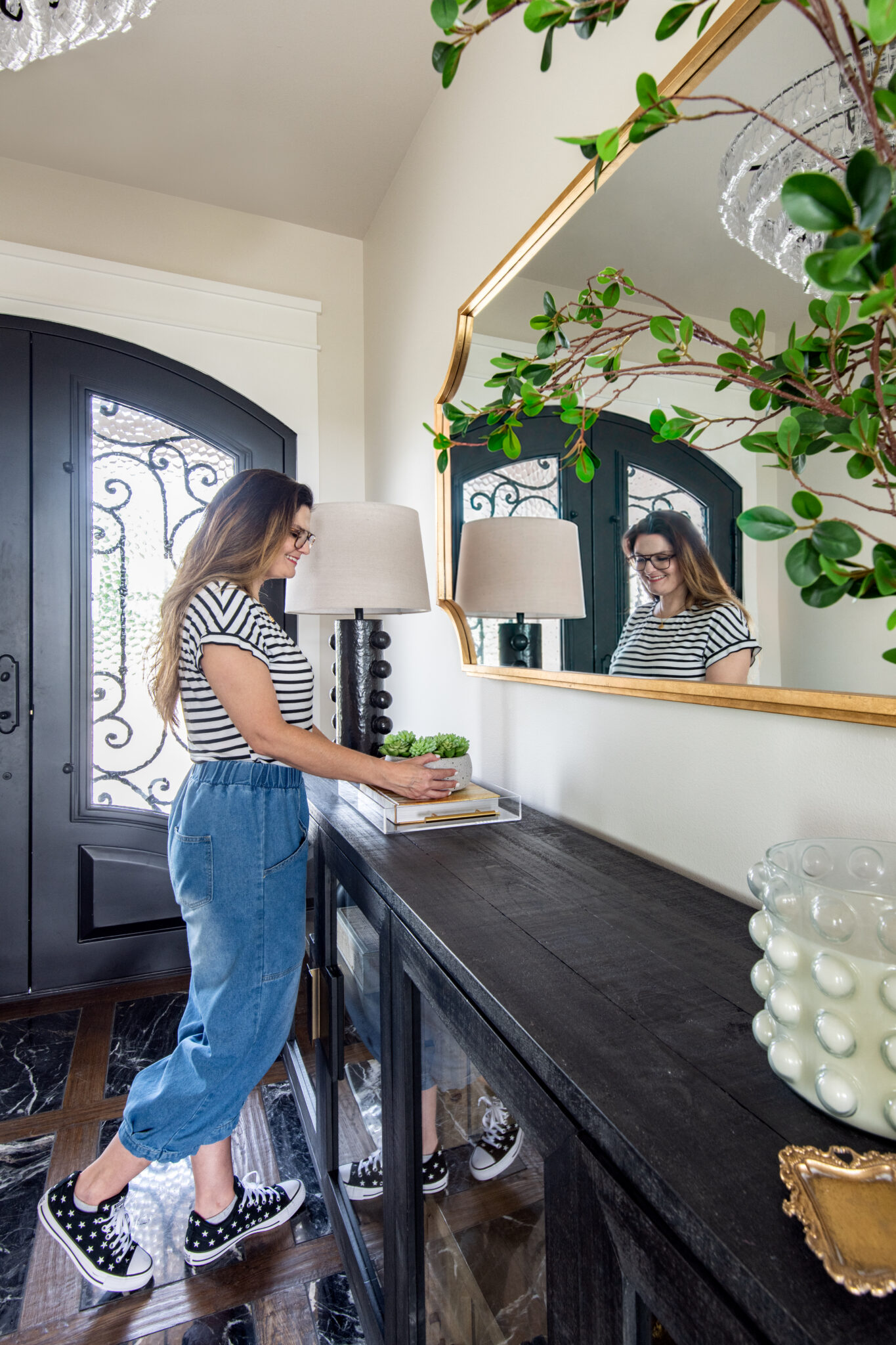
Rustic New Build Design Ideas That Feel Warm, Layered, and Lived-in Foyer: Modern Rustic Entry way with Black Iron Double Front Doors With a gorgeous,…
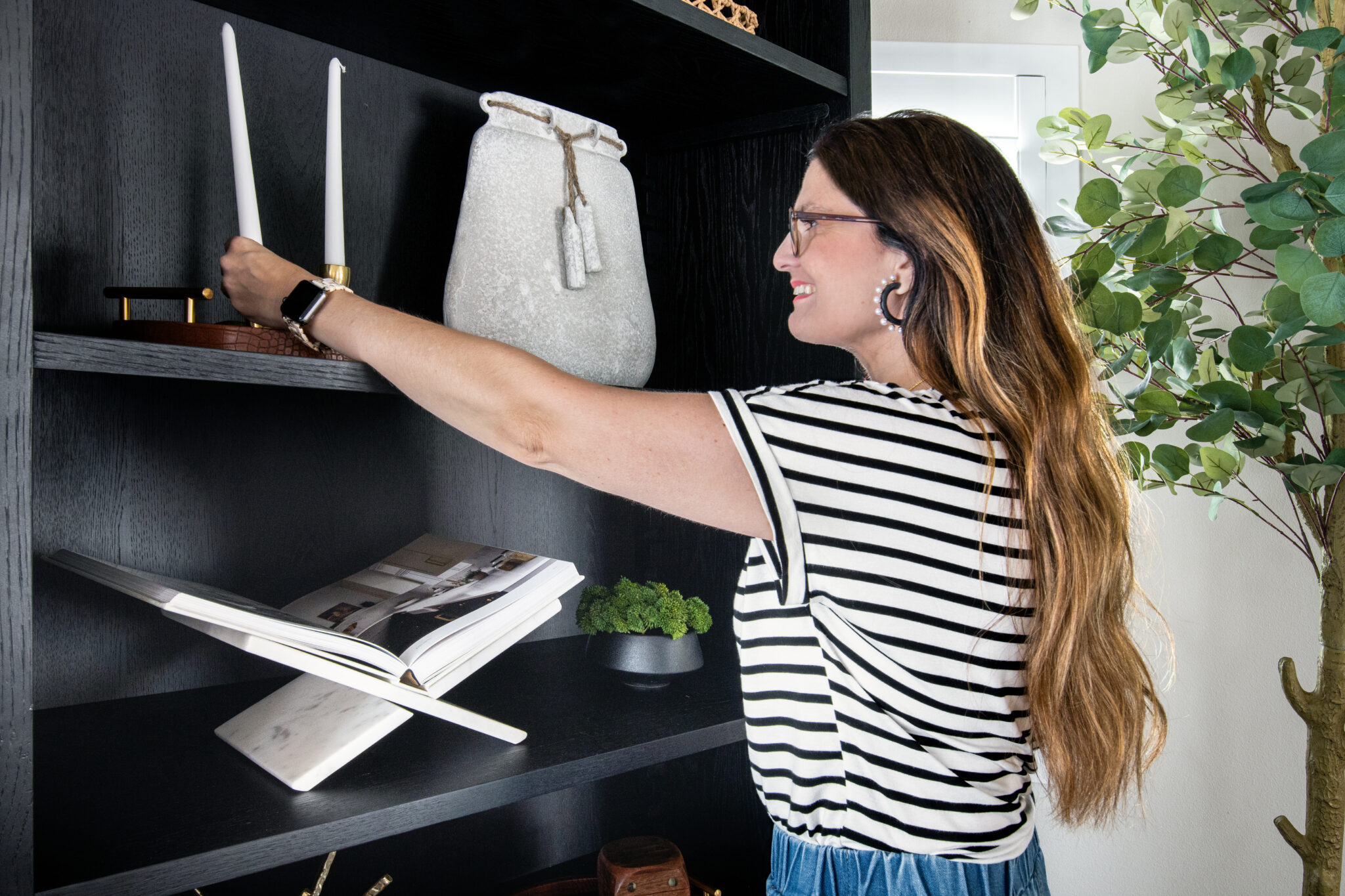
Rustic New Build Design Ideas That Feel Warm, Layered, and Lived-In (Room-by-Room Guide) A simple breakdown of modern traditional design, layered neutrals, and how to…
Post List #1
Guest rooms are one of the best places in a home to add a little more personality and have MORE FUN. These guest spaces don’t…
Master Bath: Modern Rustic Bathroom with Marble and Brass A lot of new build bathrooms feel cold. Usually, it’s because every finish feels too polished…
Master Bedroom: Neutral Rustic Bedroom with Warm Wood Tones and Blue Accents A simple breakdown of modern traditional design, layered neutrals, and how to create…
Rustic New Build Design Ideas That Feel Warm, Layered, and Lived-In (Room-by-Room Guide) Stone Fireplace Rustic Living Room with Wood Beams (New Build Character) A…
Rustic New Build Design Ideas That Feel Warm, Layered, and Lived-in Foyer: Modern Rustic Entry way with Black Iron Double Front Doors With a gorgeous,…
Rustic New Build Design Ideas That Feel Warm, Layered, and Lived-In (Room-by-Room Guide) A simple breakdown of modern traditional design, layered neutrals, and how to…
Reply...