Transitional Home Interior Design
How to Make Modern and Transitional Design Interiors Feel Warm and Welcoming

I love a home that looks like someone actually lives there.
Beautiful furniture is a good start. But I also want a comfortable place to sit, something personal to look at, and a room that makes you want to stay awhile.
If your modern home feels a little cold, you may not need to start over. Instead, look at what would bring warmth and personality into the space.
For a warm transitional interior, I like mixing clean lines with classic pieces, natural textures, and things that mean something to the people who live there.
Here are a few ways to bring that feeling into your own home.
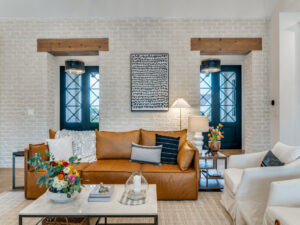

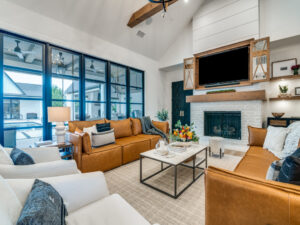
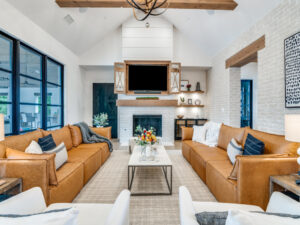
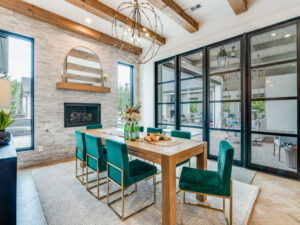
Start with Comfortable Seating
Before choosing accessories, think about how you want to use the room.
Will everyone gather here to watch a movie? Or do you need a comfortable spot to visit with friends?
Those answers help you choose furniture and arrange it.
Rather than placing every chair wherever there’s an empty corner, bring seating together around a coffee table or fireplace. Then make sure people have somewhere to set a drink.
A beautiful chair becomes a lot more useful when someone actually wants to sit in it.
Bring Warm Wood into the Transitional Design Mix
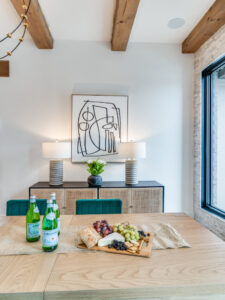
Wood is one of my favorite ways to make a space feel welcoming.

A coffee table, console, or side table can add warmth alongside lighter upholstery and more modern furniture. Plus, different wood tones give you room to mix pieces you already own.
You don’t have to match every finish.
Instead, look for a connection through shape, color, or texture. A traditional wood piece can work beautifully with a simple sofa when the surrounding details help bring them together.
Use Color You Enjoy Living With
Neutral rooms can be beautiful. However, they can also use a little personality.

If you love blue, green, or another color, give it a place in the room. Start with artwork or a pillow if you want a smaller change, then repeat that shade somewhere nearby.
For example, a color in a painting might show up again in a throw or an accent chair.
That repetition helps the choices feel connected. At the same time, varying the shades keeps everything from looking too matched.
The goal is a home you enjoy, so choose colors you actually like.
Mix Modern and Traditional Design Pieces
This is what I enjoy about transitional interior design: there’s room for more than one kind of furniture.
A clean-lined sofa can sit near a classic wood chest. Likewise, a gold mirror can bring a dressier detail into an otherwise simple room.
Before replacing a piece you love, try it in a different setting.
Maybe it needs lighter upholstery nearby. Or perhaps new artwork would help it feel connected to the rest of the space.
Sometimes the furniture is fine—the combination just needs a little attention.

Give Your Collections a Place to Be Seen
Your home should tell us something about you.
Favorite books, family photographs, collected pottery, and meaningful artwork can all be part of the decorating. Rather than buying something just to fill a shelf, start with what you already enjoy.
Then give those pieces a little breathing room.
A few favorites grouped together can feel more personal than a shelf full of accessories you bought all at once.
I love when someone can point to a piece and tell me why they have it. That’s where the interesting part begins.

Make Room for a Little Fun
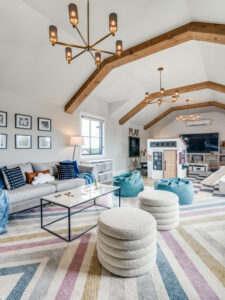
And then there’s the playroom.
A ball pit, a full-size playhouse, a reading nook, and an artist corner—all in one space.
Pretty sure my childhood self would have moved right in.
Beyond being fun to look at, each area gives the kids a different way to enjoy the room.
The playhouse is a place to pretend, while the ball pit brings in active play.

For quieter moments, the reading nook offers a cozy spot to settle in with a book. Meanwhile, the artist corner gives little creators a place to draw, paint, and make something of their own.
I love that this room makes space for their personalities, too.
After all, a welcoming home should include places where the kids feel completely at home.
If you’re planning a playroom, start with what your children enjoy doing. Then create a few areas around those interests—even if that means a basket of books beside a comfortable chair and a small table for art.
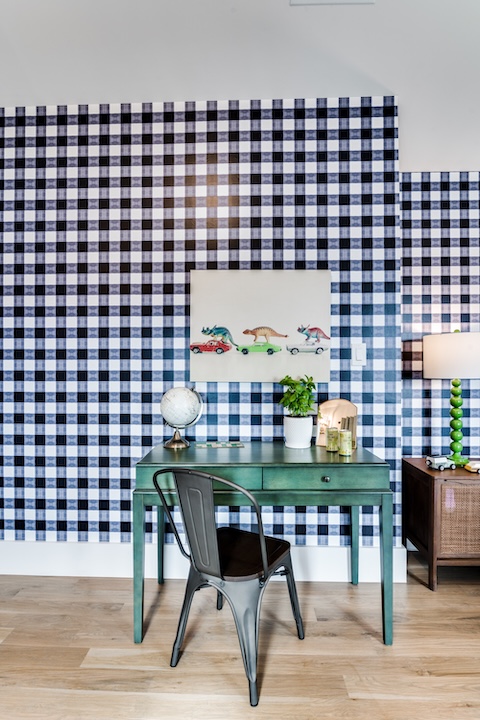
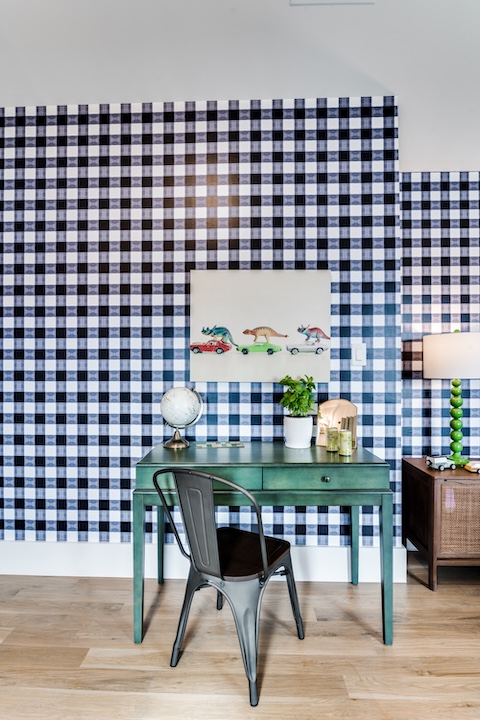
Buffalo Check Boys’ Room with Dinosaurs and Cars
These boys love dinosaurs and cars, so we included both in their room.

Because why should they have to choose?
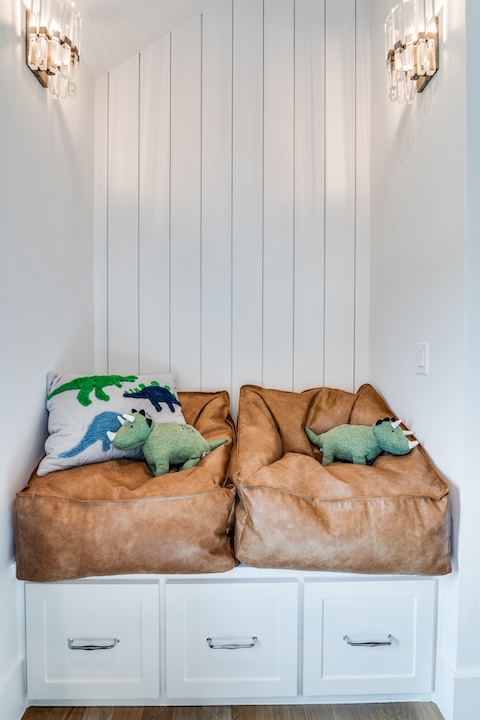
Instead of sticking to one theme, we made space for their favorite things. That personal touch matters just as much in a child’s bedroom as it does anywhere else in the home.
If you’re decorating for your kids, start by asking what they’re excited about. Then look for ways to bring those interests together through artwork, bedding, or displays of their favorite toys.
Create a Transitional Design Home That Feels Like You
Warm modern interiors come together through the whole mix: comfortable seating, natural materials, softer layers, and personal pieces.
You can keep the clean lines you love while adding character. Likewise, traditional furniture can feel fresh alongside simpler shapes and lighter fabrics.
Before buying more, ask yourself what the room is missing.
Does it need warmth? A little color? Something that reflects the people who live there?
As a Rockwall interior designer serving the Dallas area, I help homeowners bring those details together so their spaces feel comfortable, welcoming, and personal.
If you have good pieces but can’t quite make the room work, we’d love to help you create a home that feels more like you.